Author name: admin

Aviation News

Aviation fuel spike: Analyst seeks adoption of ‘passenger pooling’ to optimise cost

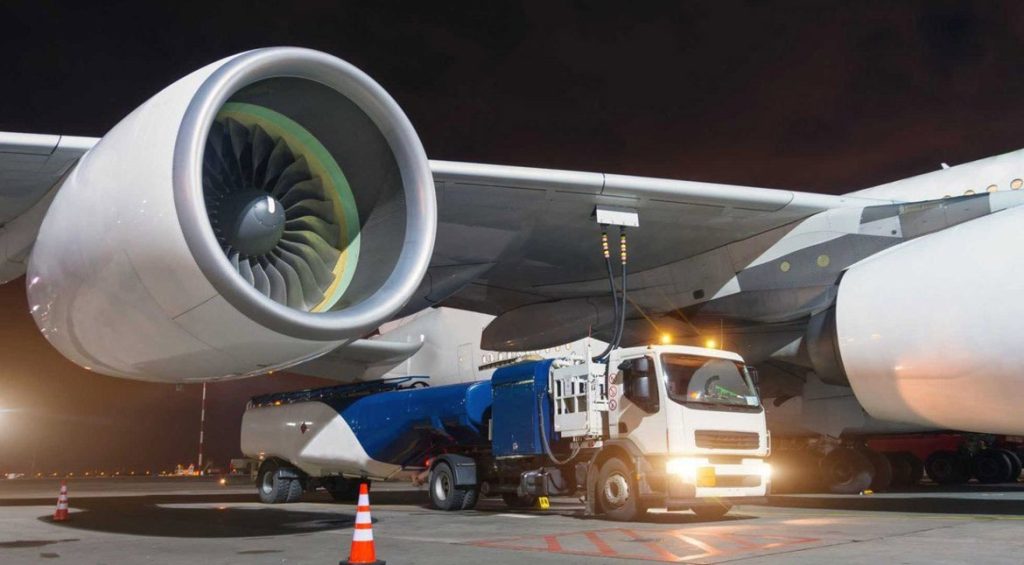
An aviation analyst, Alex Nwuba, has proposed a regulator-supervised passenger pooling system for Nigerian airlines as a temporary measure to curb mounting losses driven by rising fuel costs and persistent low-load factors on some domestic routes. The suggestion, similar to code-sharing practice, comes on the back of escalating prices of aviation fuel, which has reportedly increased by close to 300 per cent since February 28, when the Middle East conflict started. Nwuba, in an interview with The Guardian in Lagos, warned that the current operating model, where multiple airlines deploy almost-empty aircraft on the same routes within identical time windows, was no longer sustainable, particularly as Jet A1 prices soar. According to him, the Lagos-Abuja route has become a major example of systemic inefficiency, with as many as eight airlines scheduling flights simultaneously, while many of the carriers are unable to fill their seat capacities. He insisted that the model was not competition, but rather amounts to structural inefficiency that drains resources, accelerates financial losses and weakens the entire aviation ecosystem. To address the challenge, Nwuba canvassed a coordinated framework under the supervision of the Nigeria Civil Aviation Authority (NCAA) that would aggregate passenger bookings across airlines within defined time windows and assign operating responsibility based on actual demand. “One of the most persistent problems is the unnecessary duplication of capacity on major routes. On a typical morning, as many as eight airlines may schedule flights from Lagos to Abuja within the same narrow time band, each departing with low load factors. “This pattern is not a sign of healthy competition; it is a structural flaw that drains fuel, accelerates losses and weakens the entire industry. As operating costs—especially Jet A1—continue to rise, it has become clear to me that the current model is unsustainable. “This is why I am proposing a regulator supervised system that allows airlines to pool passengers while maintaining their commercial independence,” he said. According to him, under the proposed system, airlines would retain their commercial independence by continuing to sell tickets, market their brands and manage customer relationships, while operational decisions on which carrier flies a particular route and schedule would be centrally coordinated to avoid duplication. He clarified that a passenger who purchases a ticket from an airline could be flown by another, without losing loyalty benefits or customer protection, a model, he argued, mirrors global practices such as code-sharing and interline agreements. He suggested multiple options for allocating flight operations within the pooled system, including a rotational model among airlines, a demand-based system where the carrier with the highest bookings operates the flight and an auction mechanism allowing airlines to bid for operating rights, with compensation frameworks for non-operating carriers. Nwuba stressed that the proposal was intended strictly as a crisis-response mechanism, not a permanent restructuring of the market. He insisted that no airline could survive flying a 100-seat aircraft with two passengers onboard, warning that with the current situation, continuing this pattern would lead to insolvency. Nwuba noted that similar coordination models had been deployed in other markets during periods of disruption. He mentioned capacity consolidation among European carriers during downturns and structured route allocation systems in the United States to push his narrative. Nwuba opined the need for strict regulatory safeguards, including transparent data-sharing protocols, a neutral technology platform for flight allocation and clearly defined consumer rights protections. He added that participation could be structured as either voluntary or mandatory, depending on industry consensus, but emphasised that the overriding goal was to stabilise the sector during a period of acute financial strain. He added, “With proper oversight, this model will not distort the market. It will correct inefficiencies that are currently threatening the survival of multiple carriers.”

Aviation News

Air peace retains West Africa’s top airline honour

Nigeria’s leading carrier, Air Peace, has once again been recognised as the Best West Africa Sub-Regional Airline of the Year, securing back-to-back wins at the 2026 NNigerian Aviation Awards. The announcement was made at the NIGAV Conference Centre in Ikeja, Lagos, where industry stakeholders gathered to celebrate excellence and innovation across the aviation sector. The latest recognition reinforces Air Peace’s growing influence within the region, particularly its role in strengthening connectivity across West Africa. Organisers of the awards noted that the airline has continued to distinguish itself through consistent performance, expanded routes, and improved passenger experience. Reacting to the award, the airline’s spokesperson, Osifo-Whiskey Efe, described the honour as a reflection of the company’s long-term vision. According to him, the airline remains focused on deepening regional integration by linking major cities and improving travel efficiency across the subregion. He added that the recognition also signals increasing trust in the airline’s ability to deliver safe, reliable, and customer-oriented services. Widely regarded as one of the industry’s most respected platforms, the Nigerian Aviation Awards celebrate organisations that are driving growth and setting benchmarks in the country’s air transport ecosystem. With ongoing investments in fleet development and service delivery, Air Peace is steadily reinforcing its position as a key player in West African aviation, shaping travel and connectivity across the region.   Source – The Guardian

Aviation News

President Tinubu pledges stronger Nigeria–UK aviation ties

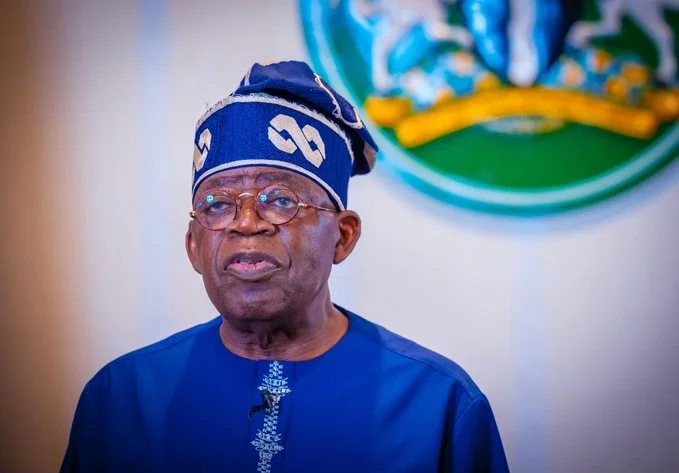
President Bola Tinubu on Wednesday reaffirmed Nigeria’s commitment to strengthening economic relations with the United Kingdom, with a focus on the aviation sector and other areas of mutual benefit. In a statement released on Wednesday, signed by his Special Adviser on Information and Strategy, Bayo Onanuga, the President gave the assurance while receiving a delegation from British Airways led by the British High Commissioner to Nigeria, Dr Richard Montgomery, and the airline’s Commercial Officer, Mr Colm Lacy, at the Presidential Villa, Abuja. Highlighting the long-standing relationship between both countries, Tinubu said, “It is a very great joy to share with you this afternoon. The transformation and strengthening of our relationship over the past 90 years is a milestone worthy of celebration.” The President also recalled his recent visit to the United Kingdom, adding, “I still relish the memory of my last visit to Great Britain and the wonderful reception I received from His Majesty King Charles III. I will forever cherish that memory.” He emphasised Nigeria’s commitment to sustaining bilateral cooperation, saying, “We also hold in high regard our relationship with His Majesty the King… I assure you we will continue to do that, and this engagement confirmed the bilateral relations that we’ve enjoyed over the years. Our forebears wanted us to continue.” Tinubu noted that ongoing reforms in Nigeria’s aviation and economic sectors are aimed at meeting global standards and boosting international partnerships. He said, “Nigeria is still going through the reforms and transformation of our aviation industry and every aspect of our economy. We must meet global standards and encourage people-to-people connections while promoting the essence of trade and partnership in this sector.” The President also acknowledged the role of British Airways in strengthening economic and social links between both countries, stating, “We celebrate with you your remarkable 90 years of operation in Nigeria, and we hope we will continue to enhance and encourage that relationship for a stronger and more rewarding partnership.” He further disclosed that his administration had taken steps to resolve longstanding financial issues affecting airlines, noting, “You’ve seen that since I assumed office, the outstanding liabilities and other hiccups that are hindrances to our relationship are being resolved by the Central Bank of Nigeria, and we hope to strengthen all of that.” In his remarks, Lacy described Nigeria as a key market for the airline, saying, “Our relationship began in 1936 and has journeyed across generations. Nigeria is not simply a destination but a long-standing, most valued market.” He added, “Every day our services support Nigerian entrepreneurs, students, families and tourists… helping in trade, investment and opportunities in both directions.” Lacy also commended Nigerian aviation authorities and the Central Bank of Nigeria for improving the operating environment for foreign airlines. Earlier, Minister of Aviation and Aerospace Development, Festus Keyamo, said British Airways now operates new aircraft on the London–Nigeria route and has complied with government policies supporting local catering on outbound international flights. Also speaking, Montgomery expressed satisfaction with the longstanding relationship, noting that recent engagements between both countries had led to major agreements.

Aviation News

The Human Factors and Accident Investigation Course No. 02

The Human Factors and Accident Investigation Course offered at the Nigerian College of Aviation Technology (NCAT), Zaria, equips participants with a solid understanding of how human performance influences safety in aviation. The course explores key topics such as human error, decision-making, fatigue, communication, and organizational culture. It also covers the principles and techniques of accident and incident investigation. Participants learn to identify human factors contributing to aviation events, analyze their root causes, and apply practical strategies to enhance safety and minimize errors in operational environments (including maintenance, flight operations, and management). This short professional course (typically 2 weeks, based on similar NCAT programs) is part of NCAT’s Aviation Management offerings and supports safety professionals, investigators, and aviation personnel in line with Nigerian Civil Aviation Authority (NCAA) standards. It is delivered at the NCAT campus in Zaria, Kaduna State, Nigeria.

Aviation News

Breaking!! FG to waive airline debts as Tinubu intervenes in aviation fuel crisis

The Federal Government has announced plans to waive debts owed by domestic airlines to aviation agencies as part of measures to cushion the impact of the ongoing Jet A1 fuel crisis. Minister of Aviation and Aerospace Development, Festus Keyamo, made the disclosure during a high-level meeting in Abuja on Wednesday evening, convened to address the astronomical rise in the cost of Jet A1 fuel. Keyamo said, “I had the privilege of meeting Mr President to brief him about the meeting, and Mr President mandated us to quickly bring a request to him. And the first request that he will consider and grant is a generous discount on the debts the airlines are owing the aviation agencies, NAMA, FAAN, NCAA, and so on and so forth. “The percentage of discounts and all that Mr President will decide, he is so concerned about what is happening. And he asked me in particular to express his deep appreciation to the airline operators. He knows the conditions under which we operate. “And of course, he’ll consider a date for the airline operators to meet him one-on-one for the other more robust discussions regarding access to capital and all of that,” he said. Also speaking at the meeting, Chairman/Chief Executive Officer of Air Peace, Allen Onyema, attributed the crisis in the aviation sector to the sharp increase in the price of Jet A1 fuel. Onyema said, “Why are we here in the first place? It was because of the astronomical rise of Jet A1 fuel in Nigeria, which we consider not to be proportionate to the rise in the cost of crude oil all over the world. The standard is that if crude oil rises by 10 per cent, the byproduct of crude oil should rise by a proportionate raise in the pricing. “But in Nigeria, after the Hormuz blockade, 20 percent, Nigeria increased by about 300 per cent, and these airlines are bleeding. We are bleeding. Yes, we threatened to shut down, not because we wanted to shut down, but because we had no money anymore to continue to borrow money from the banks to pay for fuel and neglect other things that are supposed to be done in the aviation industry. He said, “And you know very well that your regime pushes utmost safety, and we don’t want to shorten safety. So we decided that instead of not having money to do other things like maintenance, but only buy the fuel that we needed to shut down. We appreciate this government. “So when the honourable minister came to us to say, please, don’t do this, it didn’t take us a second to obey that plea, because this government has really helped the airlines and the aviation industry more than any since 1960. So we appreciate Mr. President, and now you all heard it, that Mr. President is even willing to waive the debts these airlines owe, maybe aviation agencies indirectly owe to the government. This is a welcome development.” He added that, “The truth is that the marketers must be brought to book to explain how they got about the 300 per cent increase, when even Dangote is even surprised, because what he is selling to us, he still remains the cheapest. And some of them lifted from there. So why the astronomical rise? “But the most important thing is that we appreciate Mr. President for coming to our rescue, but we want to say that instead of the president deciding which discount to give us, we are asking for a total waiver of all the debts we owe, and at the same time, a suspension of further payment until Hormuz is open. So these are the issues. But this government has really tried for airlines. “We are happy that we have a businessman president who is very, very responsive and very listening. The other time, he removed the 4 per cent FOB for airlines within 24 hours,” he said. He also noted that, “The only other thing we want to ask Mr. President to do for the industry is the cost of acquisition of funding for airlines. All over the world, they acquire at 3 per cent. “In Nigeria, we acquire at 30 to 35 per cent. This is killing. That’s why airlines owe FAAN, owe NCAA, owe everybody, because we are the sacrificial lambs. It’s not a lucrative business. So we ask Mr. President to please fund the Bank of Industry. “That is the only bank that is still doing single-digit or at least 10 per cent interest to airlines. But they don’t have funds now. Mr. President should please help us to fund the Bank of Industry very well, because that is another way of helping us in the long run and permanently,” he added. Airline Operators of Nigeria had earlier threatened to shut down operations nationwide from April 20, 2026, over the soaring cost of Jet A1 fuel. The operators said the price of aviation fuel surged from about N900 per litre in late February to over N3,300 per litre within weeks, representing an increase of more than 300 per cent, which they described as unbearable and unsustainable for continued operations. The airlines warned that if urgent intervention was not made, they would be forced to suspend flights, noting that revenues could no longer cover fuel costs alone. However, in a subsequent development, the operators announced a temporary suspension of the planned shutdown following appeals by the Minister of Aviation and Aerospace Development, Festus Keyamo, pending the outcome of their discussion to address the crisis.

Scroll to Top