Aviation News

Aviation News

Jet fuel crisis: a boon for Nigeria’s Dangote, but not for local airlines

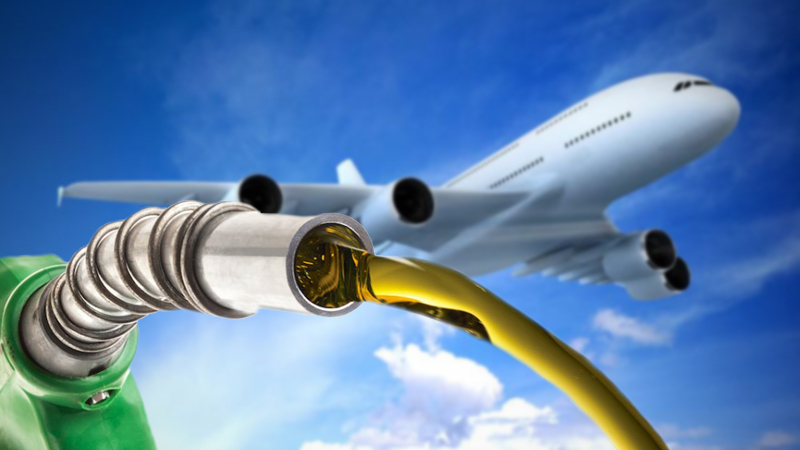
Nigeria’s giant Dangote refinery is benefiting from record margins for producing jet fuel that it is mostly selling abroad, while the domestic airlines it also supplies have threatened ​to stop flying because of the surge in fuel prices. The refinery, the largest on the continent, was built to turn Africa’s biggest oil producing ‌country into a net exporter of refined products, end Nigeria’s reliance on fuel imports, and shield its economy from global energy shocks. It became fully operational at the start of this year and is producing at its maximum capacity of 650,000 barrels per day. That has improved local fuel availability but domestic fuel prices are still among the highest in Africa as Nigeria’s market is fully deregulated, meaning fuel prices are ​not subsidised by the government as they are in most African countries. The issue is further complicated by the state oil company’s long-standing debt repayment agreements that ​mean Dangote has to import most of its crude oil, making it easier to balance its books if it sells abroad. CLASH WITH ⁠THE NEEDS OF THE AVIATION INDUSTRY Industry body the Airline Operators of Nigeria said prices, taking logistics and storage costs into account, have climbed to 3,300 naira ($2.44) per litre, ​nearly triple the level in February before the start of the Iran war. Nigeria’s energy regulator said Dangote was selling jet fuel at 1,879 naira ($1.39) per litre, little changed from imported fuel ​prices of about 1,900 naira ($1.41) per litre delivered to Lagos earlier this month. The Middle Eastern conflict has led to unprecedented energy disruption and the risk of jet fuel shortages is pressing. Airlines around the world have hiked prices, added fuel surcharges and grounded planes. Nigerian airlines last week threatened to halt all flights, prompting the government on Thursday to approve measures including some relief on debts owed by local airlines ​and ordering talks to try to agree lower prices. DANGOTE’S MARGINS COULD BE EVEN BETTER? Dangote, meanwhile, as a new, highly efficient refinery, has been able to take advantage of record margins ​for producing jet fuel from crude. State oil firm, the Nigerian National Petroleum Company Limited’s ‌joint‑venture crude, ⁠however, is tied to oil-backed loans and pre‑export deals. That means much of Nigeria’s roughly 1.5 million barrels per day of production goes to paying debts to international oil majors, banks and traders. The NNPC does not disclose its obligations, but analysts estimate they amount to about 400,000 bpd. Dangote Group Vice President Davekumar Edwin said Dangote imported most of its crude from the U.S., as well as some from other African producers and Brazil. He did not give precise figures. He said the bulk of the 24 million litres of jet ​fuel it produces daily was shipped to Europe, ​although he also said the refinery ⁠largely supplied the needs of Nigerian airlines, which the aviation industry estimates at about 2.1 million litres per day. EUROPEAN BUYERS ARE WILLING TO PAY UP As European buyers are willing to pay a premium ahead of the peak demand summer travel season, European imports from ​Nigeria have averaged 78,000 to 96,000 barrels per day in April so far, data from Kpler and LSEG showed, the highest ​on record. Alan Gelder, senior ⁠vice president for refining, chemicals and oil markets at Wood Mackenzie, said European refiners had earned about $15 per barrel. He estimated Dangote’s margins at more than double that as a result of access to Nigerian crude and the plant’s scale and sophistication. Edwin did not disclose figures, but the profits from producing jet fuel hit a record on international markets in March. Dangote, as ⁠a private refinery, ​prices its products in response to global markets, Gelder said, and that building a big refinery “does not ​automatically mean fuel prices fall”. Dangote plans to list shares in the coming months and is expanding the complex to 1.4 million bpd capacity, which could make it the world’s largest refinery by the end of the ​decade.

Aviation News

Bird Strikes: From Rare Incidents to Recurring Financial Burdens

In the second week of January, a scheduled United Nigeria Airlines flight from Asaba International Airport to Murtala Muhammed Airport in Lagos was expected to have the least disruption. The aircraft, an Airbus A320, taxied, accelerated and lifted off as expected. But as the aircraft descended to Lagos airport, an unseen hazard occurred. Two birds were discovered sucked into the aircraft, an incident that disrupted the airline’s schedules for a few days, as the aeroplane was immediately withdrawn from service for safety checks. The incident was not just another delay but a financial blow to the airline, adding to the growing list of costly encounters with wildlife at Nigeria’s airports. However, this was not an isolated incident. Last week, within 48 hours, the same airline suffered three separate bird strikes, forcing multiple aircraft out of operation and disrupting its network. Between January, when the first bird strike incident occurred, and last week, it witnessed at least seven such disruptions. Across the aviation industry, such occurrences are not strange. Almost all the indigenous airlines – Air Peace, Ibom Air, Aero Contractors, ValueJet, Max Air and Overland – and foreign carriers have been unfortunate enough to be caught in the web of bird-strike incidents. What appears to be an occasional encounter between aircraft and birds has quietly evolved into one of the most persistent and expensive threats to airline operations in the country. However, bird strikes are not new to the global aviation industry. Globally, they have long been recognised as a safety and operational threat. But in Nigeria, the problem has taken on a dreaded economic dimension. Statistics show that approximately 95 per cent of bird strike incidents occur below 3,000 feet, precisely when aircraft are taking off or landing. Bird strikes cost airlines an estimated $1.2 billion annually, according to data from the United Kingdom Central Science Laboratory. Industry stakeholders estimate that Nigerian airlines lose at least N60 billion yearly to aircraft damage, operational disruptions and associated costs linked to bird strikes and wildlife incursions. Also, recent data from the Nigeria Civil Aviation Authority (NCAA) shows that the Murtala Muhammed International Airport (MMIA) recorded the highest number of bird-strike incidents in the country, reflecting both its traffic volume and its exposure to environmental risk factors. Other airports with frequent occurrences include Port Harcourt, Owerri, Benin and Uyo, among others. According to the then Director of Aerodrome and Airspace Standards at the NCAA (now Director of Airworthiness Standards), Mr Godwin Balang, the findings emerged from qualitative and statistical analyses of bird-strike reports submitted by aerodrome operators. Balang noted that a record of four bird-strike incidents was logged in a single day on Runway 18 at the Murtala Muhammed International Airport in 2025. For airlines operating in an environment defined by high fuel costs, foreign exchange pressures and limited access to financing, the financial consequences of these incidents can be severe. In Nigeria, operators say the impact is exaggerated by weak financial gains and aging infrastructure at most of the airports. The Chief Executive Officer (CEO), Air Peace, Allen Onyema, in a recent interview with journalists in Lagos, said the airline recorded 43 bird strikes across Nigeria’s airports between January and September 2025, a development he said caused serious operational setbacks. Onyema outlined some of the major difficulties confronting Nigerian airlines, citing frequent bird strikes, heavy taxation and persistent criticism from government agencies as key challenges. He said: “Air Peace has had 43 bird strikes in Nigeria from January to September. One bird strike could cripple your aircraft for the next month. At that moment, there’s no two ways about it. “These bird strikes often lead to costly delays and serious disruptions in flight schedules. Aircraft go out of service, passengers are stranded, and the ripple effects spread across the entire operation.” Also, Safety Manager at Arik Air, Jide Bakare, said the airline lost about $3.6 million over six years due to bird-strike incidents. According to him, in 2019 alone, Arik Air spent $430,000 replacing damaged components, while two separate incidents in Enugu cost an additional $466,000. Such figures, he lamented, echo strongly with investors and lessors, expressing that modern jet engines cost millions of dollars, while minor bird ingestion could necessitate extensive inspections or premature component replacement. According to him, about 95 per cent of bird strikes occur below 3,000 feet, a stage when aircraft are most vulnerable and pilots have the least flexibility. Also, aviation stakeholder, Olumide Ohunayo, criticised the current approach adopted by the Federal Airports Authority of Nigeria (FAAN) to managing the incident. According to Ohunayo, the agency’s approach is ineffective due to the absence of reliable data. Ohunayo argued that the persistence of bird strike occurrences without noticeable improvement raises concerns about whether the right strategies are being deployed to tackle the challenge. He declared that when efforts do not yield positive results over time, it either suggests that nothing significant was being done or that the approach being adopted was fundamentally flawed. He listed critical data points to capture, including the exact location of each incident, whether it occurred during aircraft approach or takeoff, the species of bird involved, the time of day, day of the week, and the season of the year. He also expressed claims in some quarters that airlines may be exaggerating the incidents. However, he maintained that such arguments could only be resolved with verifiable, comprehensive data. “There are claims and counterclaims about the frequency and severity of bird strikes, but the only way to determine what is true or false is through proper documentation and analysis. “It is important to know when these incidents happen, where they happen, and the type of birds involved. These are the basic elements needed to understand the problem.” Fiscal intervention However, in a bid to address the situation, the Ministry of Aviation and Aerospace Development, in its 2026 appropriation spending, planned to acquire additional Phoenix Airport wailers MK IV Bird Deterrent Systems for Kano, Benin, and Kaduna airports at a cost of N7,000,000. According to the ministry, the project […]

Aviation News

Dangote Refinery Exports 1.1bn Litres of Aviation Fuel to Europe, Supplies 95 percent of Nigeria’s Jet A1 – AON

The Airlines Operators of Nigeria (AON) has described the Dangote Petroleum Refinery and Petrochemicals as a critical pillar of support for Nigeria’s aviation industry, disclosing that the refinery currently supplies over 95 per cent of the Jet A1 fuel consumed nationwide, while also exporting 1.1 billion litres of aviation fuel to Europe between March and April 20. Speaking during a televised interview, AON spokesperson Obiora Okonkwo said the refinery’s output has played a vital role in sustaining domestic airline operations at a time of global supply disruptions arising from tensions in the Middle East and rising fuel costs. “It is a matter of fact that over 95 per cent of aviation fuel supplied across the country comes from the Dangote refinery. To airline operators in Nigeria, Dangote is not just a refinery; it is a game changer and, indeed, a lifesaver,” Okonkwo said. He noted that despite the refinery’s consistent supply, airlines continue to face severe operational strain due to escalating Jet A1 prices, which he attributed to sharp practices within the downstream distribution chain. According to Okonkwo, some fuel marketers are allegedly creating artificial scarcity in spite of available supply from the refinery, leading to disproportionate price increases. He disclosed that airline operators have recorded Jet A1 price hikes of up to 300 per cent since the onset of the Middle East crisis. “We consider this exploitation. The refinery has not indicated any shortage, yet we are witnessing artificial scarcity and unjustifiable price increases. What airlines pay does not reflect depot prices,” he said, suggesting the presence of racketeering within the market. Echoing these concerns after a closed-door meeting between the AON and the Federal Government, Chairman and Chief Executive Officer of Air Peace, Allen Onyema, described the situation as deeply troubling, particularly given that the Dangote refinery sells its products at comparatively lower rates. “The truth is that marketers must be called to account. How do prices rise by as much as 300 per cent when Dangote’s supply remains the cheapest and some marketers source directly from the refinery?” Onyema asked. “So, why the astronomical increase?” Meanwhile, the Dangote Refinery continues to expand its footprint in the international aviation fuel market. Industry data indicate that the facility exported approximately 876,000 metric tonnes of jet fuel to Europe within the period under review—about 456,000 tonnes in March and an additional 420,000 tonnes by April 20. These export volumes underscore the refinery’s growing capacity and improved logistics, further reinforcing Nigeria’s emerging role in Source – Fresh Angle

Aviation News

FG, Airlines Meeting On Jet Fuel Crisis Ends Without Deal

A high-level meeting convened by the Federal Government to address the rising cost and supply challenges of Jet A1 fuel has ended without a resolution. The closed-door session, hosted by the Ministries of Aviation and Aerospace Development and Petroleum Resources, alongside oil marketers and the Airline Operators of Nigeria, lasted over two hours. The Minister of Aviation described the talks as frank and necessary, noting that they were aimed at tackling persistent concerns over the pricing and availability of aviation fuel. Despite extensive deliberations, the meeting did not yield an immediate outcome. The Minister said further engagements with key stakeholders would continue within the next 48 to 72 hours in a bid to find a lasting solution. He acknowledged the mounting pressure on airlines, warning that sustaining operations at current Jet A1 prices could lead to higher airfares for passengers. As part of interim measures, the Federal Government announced a 30 per cent discount on debts owed by airlines to aviation agencies, following approval by Bola Ahmed Tinubu. Speaking for the Airline Operators of Nigeria, Allen Onyema attributed the surge in aviation fuel costs to global oil market tensions, particularly involving the United States and Iran, as well as ongoing supply constraints faced by operators.

Aviation News

Tinubu Hails Nigeria’s 91.45% Aviation Safety Rating By ICAO

President Bola Tinubu welcomes Nigeria’s impressive 91.45 per cent aviation safety rating from the International Civil Aviation Organisation (ICAO). The ICAO is a United Nations agency that coordinates the principles and techniques of international air navigation. It fosters the planning and development of international air transport to ensure safe and orderly growth. Through the Universal Safety Oversight Audit Programme (USOAP), ICAO assesses countries to ensure they manage safety risks effectively, ensuring that no country is left behind and directly influencing international confidence in that nation’s airspace. Nigeria, as an ICAO member state, is obligated to comply with applicable international standards and to establish and implement these safety-critical oversight elements. Since the inception of the Universal Safety Oversight Audit Programme in 1999, Nigeria has undergone four USOAP safety audits conducted by ICAO auditors, with results measured through Effective Implementation (E.I.) scores. During a recent debriefing by the ICAO audit team at the Abuja headquarters of the Nigeria Civil Aviation Authority (NCAA), the lead auditor announced that Nigeria had recorded an impressive 91.45% Effective Implementation (EI) score – the highest ever for Nigeria. The regional average of West Africa is 61.1%, and the global average is 70.4%. Nigeria is thus well positioned above the regional and global ratings, which, in turn, significantly boost investor confidence and strengthen international aviation credibility. Upon the assumption of office, President Tinubu redefined the priority areas of his administration to include enhancing infrastructure and transportation as enablers of growth, and to establish the air transport sector as a major driver for economic prosperity by building a safe, secured and efficient aviation industry focused on making Nigeria a hub that meets international standards and best practices beyond even the African continent. To align with this priority area, the Minister of Aviation and Aerospace Development, Festus Keyamo SAN, outlined a five-point agenda to grow the Nigerian aviation value chain. Importantly, the first point on that agenda is to ensure strict compliance with safety regulations and the continuous upward movement of Nigeria’s ICAO rating. The President commends the Ministry of Aviation and Aerospace Development for the feat, stating that the rating affirms the nation’s aviation safety standards and makes it a more attractive destination for investment in aviation infrastructure, maintenance facilities, and airline operations. President Tinubu urges the Ministry not to relent but to review and implement every recommendation that the ICAO auditors made during this mission to ensure that Nigeria not only maintains, but goes even further on the rating.

Scroll to Top