
Aviation News

Operational Aircraft Gap: Africa’s 1,000 Fleet Trails Global Aviation Scale

Africa’s aviation landscape tells a story of contraction and imbalance. The continent once boasted 52 national carriers, yet today only seven remain operational, with just one profitable. Meanwhile, Africa operates barely 1,000 operational aircraft in total, underscoring a sharp decline in scale and sustainability. Operational Aircraft Comparision In contrast, Delta Air Lines alone operates about 1,150 aircraft, with additional units on firm order. These figures, therefore, expose a stark imbalance and highlight the structural inefficiencies that continue to constrain aviation growth across the continent. This was laid bare at the first ever  Nigerian Aircraft Aquisition Summit (NAAIS) organised by the Ministry of Aviation and the Nigeria Civil Aviation Authority (NCAA) in Lagos. Aaron Munetsi, Chief Executive Officer of the Airline Association of South Africa, used these numbers to frame his presentation on Africa’s commercial transport system. He argued that the continent’s limited pool of operational aircraft reflects deeper regulatory and economic constraints. Consequently, airlines struggle to scale, expand routes, and compete globally. Munetsi stressed that fragmentation remains a core issue. Despite having 52 national carriers, only a fraction are operational. Even fewer generate profit. Therefore, airlines cannot achieve economies of scale. This weakens fleet utilisation and reduces the efficiency of operational aircraft across regional and international networks. He linked this directly to poor financial performance. African airlines earn less than one US dollar per passenger in profit. As a result, fleet expansion becomes difficult. In addition, financing costs remain high. Munetsi argued that regulatory frameworks often fail to support commercial viability. This, therefore, discourages investment in operational aircraft and limits long-term growth. However, he cautioned against focusing solely on fleet age. “As long as the aircraft is maintained, it is still safe,” he said. The issue, therefore, is not ageing aircraft but weak economics. Airlines simply lack the financial strength to renew fleets at scale. Meanwhile, Chief Executive Officer of Crabtree Capital and Chairman of Santos Dumont, Mark Tierney, expanded the argument beyond fleet size, describing Africa’s aviation structure as fundamentally extractive. According to him, value consistently flows out of the continent through foreign airlines, aircraft leasing arrangements, and external maintenance services. This dynamic, therefore, weakens the economic impact of operational aircraft within Africa and limits the sector’s ability to generate sustainable returns. Tierney quantified the broader cost of these inefficiencies. He estimated that poor air connectivity may have reduced Africa’s GDP by up to 1% annually. Since 2010, this translates to roughly $500 billion in lost economic value. Therefore, the shortage of operational aircraft is not just a capacity issue. It is a major economic constraint affecting trade and investment. He traced the problem to historical fragmentation. Many countries developed small national carriers instead of integrated networks. Consequently, airlines operate below optimal scale. This increases costs and limits route density. As a result, operational aircraft are underutilised and less profitable. To address this, Tierney proposed a coordinated continental strategy. He called for a public-private leasing platform to improve access to operational aircraft. Such a model would reduce financing costs. It would also enable airlines to scale operations more effectively across Africa. “The only way to reduce unit costs is to increase economies of density and scale,” Tierney said. Therefore, aggregation not fragmentation must define Africa’s aviation future. Pooling traffic and resources would strengthen network efficiency. It would also improve affordability for passengers. Both speakers agreed on the urgency of reform. Africa must align regulatory frameworks with market realities. It must also close financing gaps and strengthen collaboration. Without this, the operational aircraft deficit will persist. Consequently, the continent will continue to lag behind global aviation markets. Nigeria, however, is positioning itself as a potential catalyst for change. Ongoing reforms in aircraft financing and policy alignment are attracting attention. These efforts could, therefore, provide a blueprint for other African nations. Expanding access to operational aircraft will be critical to unlocking this potential. Ultimately, the numbers tell a clear story. Africa’s operational aircraft gap reflects deeper structural and economic challenges. Addressing them, therefore, requires coordinated action. Only then can the continent achieve scale, efficiency, and global competitiveness.
Aviation News

Flight delays due to aviation fuel shortage – Air Peace

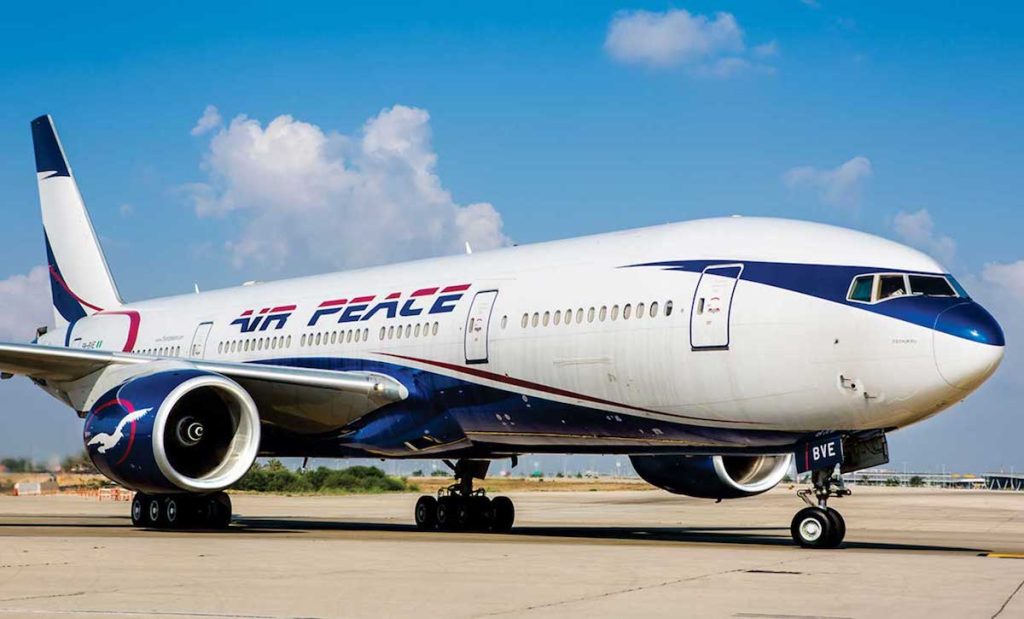
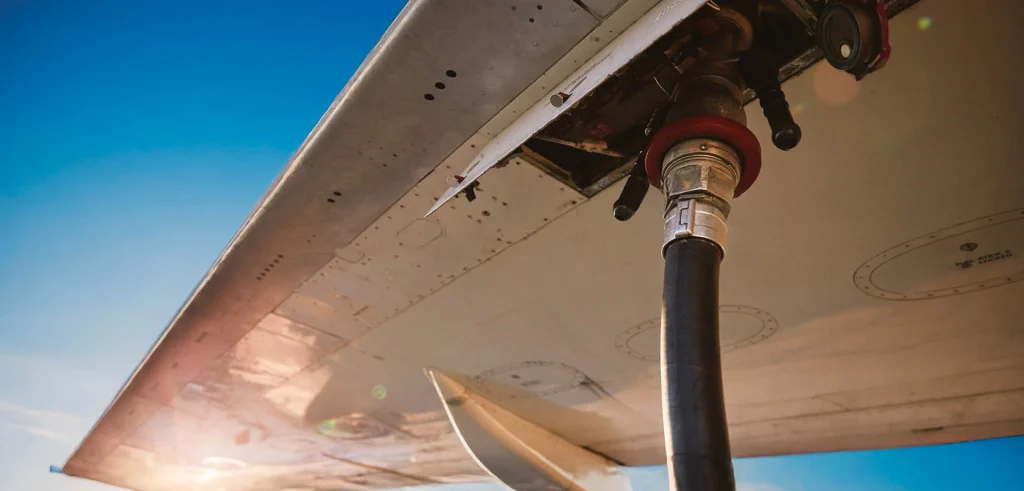
Air Peace Limited has attributed the latest flight delays and baggage restrictions across its network to the ongoing shortage of aviation fuel in Nigeria. In a statement on Monday signed by spokesperson, Osifo-Whiskey Efe, Air Peace said these disruptions align with broader reports of soaring jet fuel prices in Africa, driven by global supply chain issues like Strait of Hormuz tensions, pushing some airlines toward financial strain. “Dear Valued Customer, we wish to inform you that some flights across our network may experience delays due to ongoing aviation fuel supply challenges,” the statement read. As a result of the current constraints, the airline said there may be baggage carriage limitations on certain flights, while in some cases, this may require adjustments to checked baggage handling to ensure full compliance with operational and safety requirements. It said any affected baggage will be scheduled for transportation on subsequent flights and handled with appropriate care throughout the process. Air Peace apologised, saying: “We sincerely apologise for any inconvenience this may cause and appreciate your understanding as we work to manage these disruptions effectively. Please be assured that our team is making every effort to minimise the impact and ensure you are conveyed safely and as promptly as possible. “We kindly encourage you to check your flight status regularly and reach out to us for any assistance or updates regarding your travel.” For enquiries on flight schedules or other concerns, the airline directed the public to contact its customer support team via the available channels. It also reassured passengers of prioritized safety and prompt support, consistent with its recent responses to similar delay complaints.

Aviation News

Aviation Fuel Crisis Deepens as Nigerian Airlines Struggle for Survival

Nigeria’s aviation sector is facing intensifying pressure as rising aviation fuel cost continues to squeeze airline operations and push ticket prices beyond the reach of many travellers. Stakeholders across the industry warn that unless systemic issues are addressed, the sector risks long-term instability and reduced accessibility. Meanwhile, concerns are mounting that the current structure of airline operations in Nigeria is no longer sustainable. Industry voices point to fuel pricing, foreign exchange volatility, and policy gaps as the core drivers of the crisis. Stakeholders Blame High Aviation Fuel Cost for Soaring Airfares An industry stakeholder, who preferred anonymity, stressed that the real issue lies in the cost of operations rather than pricing strategies. He argued that efforts should focus on reducing the aviation fuel cost, which remains the single largest expense for airlines. “What I think we should be fighting for is the cost of operation in Nigeria. I still can’t understand why the federal government cannot bring down the cost of jet fuel,” the stakeholder said. He further criticised regulatory policies, noting that government actions often place additional burdens on local carriers. According to him, “the federal government of Nigeria are one of the major factors contributing to the failure of our local airline operators.” This perspective reflects growing frustration within the sector, where operators are increasingly constrained by cost pressures beyond their control. Government Priorities Questioned Amid Rising Industry Costs Aviation analyst and one time Rector, Nigerian College of Aviation Technology (NCAT), Captain Samuel Caulcrick offered a more structured assessment, linking the crisis to broader economic priorities. He argued that aviation is not treated as a critical sector deserving strategic protection. The government does not consider commercial aviation critical enough to Nigeria’s development to consider hedging against high aviation fuel costs, he said. According to him, fuel prices, currently above ₦1,835 per litre( now over ₦2200), have created severe operational challenges. He explained that aviation fuel cost now accounts for over 40 percent of airline operating expenses, a figure that continues to rise. In addition, he noted that the weakness of the naira compounds the problem, as most aviation-related costs are dollar-denominated. As a result, airlines are left to absorb significant financial risks without meaningful policy support. Fuel Now Exceeds 50 Percent of Airline Operating Costs Chief Executive Officer Ibom Air, George Uriesi, highlighted a worsened situation beyond earlier estimates. He stressed that earlier estimates may already be outdated. That was before now. It’s gone to over 50%. And that’s just the leading indicator. Everything else usually follows suit, he said. His remarks highlight a critical trend within the industry, where fuel costs not only dominate expenditure but also trigger increases in other operational areas. Consequently, airlines face a cascading effect of rising expenses that further erodes profitability. Oil Sector Inefficiencies Driving Aviation Fuel Cost Surge Another stakeholder pointed to structural inefficiencies in Nigeria’s oil sector as a root cause of the crisis. Despite being a major oil-producing nation, the country still relies heavily on imported refined products. “With over 50% of operating cost for aviation fuel, I wonder what magic can be performed to bring down the cost of tickets,” the stakeholder said. He criticised the country’s dependence on limited refining capacity, including reliance on facilities such as Dangote Refinery and imports, noting that this situation drives up fuel prices across sectors. “The Federal Government needs to have a holistic sweep of the oil sector because their inefficiency is affecting all aspects of our lives,” he added. The stakeholder warned that if current trends persist, air travel could become entirely unaffordable, forcing airlines to scale down or cease operations altogether. Where Your ₦120,000 Ticket Actually Goes A detailed analysis by aviation consultant and expert Gbenga Onitilo provides deeper insight into the financial realities facing airlines. According to him, the perceived high cost of tickets does not reflect actual airline earnings. “In Nigeria’s domestic aviation market, the headline fare is an illusion,” he stated. On average, a one-way ticket priced at ₦120,000 is significantly reduced by statutory deductions, including regulatory charges, passenger service fees, and navigation costs. These deductions can amount to between ₦25,000 and ₦35,000 per ticket. After accounting for distribution costs such as commissions and booking systems, the airline’s net revenue typically falls to between ₦80,000 and ₦95,000. Aviation Fuel Cost Dominates Airline Expense Structure From this reduced revenue base, airlines must cover a wide range of operational expenses. According to Onitilo, fuel alone consumes between ₦40,000 and ₦50,000 per seat, making it the most significant cost component. Other expenses include aircraft leasing, maintenance, crew salaries, airport charges, ground handling, and distribution costs. When combined, these bring the total cost per seat to between ₦77,000 and ₦107,000. This leaves airlines with extremely narrow profit margins, often ranging from ₦5,000 to ₦15,000 per passenger under optimal conditions.

Aviation News

Converted Freighters Deal: Ethiopian Signs Bold Boeing 777 Cargo Lease

Ethiopian Airlines has strengthened its cargo strategy with a major converted freighters agreement. The carrier signed lease deals with AerCap Holdings N.V. for two Boeing 777-300ERSF aircraft. These widebody jets will become the first of their kind to operate in Africa. Deliveries are expected in the second quarter of 2028, marking a significant milestone for the continent’s air cargo sector. The converted freighters will expand Ethiopian Airlines’ already strong cargo network. Group Chief Executive Officer, Mr Mesfin Tasew, said the partnership reflects a long-term commitment to growth and efficiency. He noted that the aircraft will boost cargo capacity while improving operational performance. Therefore, the airline aims to meet rising global demand for air freight with modern and sustainable solutions. Meanwhile, the Boeing 777-300ERSF, often called “The Big Twin,” offers notable advantages. The aircraft provides about 25 percent more capacity than smaller twin-engine freighters. In addition, it delivers improved fuel efficiency and lower operating costs per tonne. This makes it a strategic asset for long-haul cargo operations, especially across high-demand trade routes linking Africa with global markets. According to Chief Executive Officer, Mr Aengus Kelly of AerCap Holdings N.V., the agreement strengthens a long-standing partnership. He emphasised that Ethiopian Airlines will be the first operator of this aircraft type in Africa. Furthermore, the deal positions the airline to scale its cargo platform and remain competitive in a rapidly evolving logistics environment. Ethiopian Airlines continues to lead Africa’s aviation sector through strategic investments. The addition of these converted freighters aligns with its broader vision of becoming a global cargo powerhouse. As e-commerce and cross-border trade expand, the airline is positioning itself to capture new opportunities. However, sustained investment in infrastructure and policy support remains critical for long-term growth. The deal also highlights the increasing role of converted aircraft in modern aviation. Unlike factory-built freighters, converted jets offer cost-effective alternatives for airlines. Therefore, many carriers are turning to such solutions to quickly expand capacity without excessive capital expenditure. This trend is expected to grow as global supply chains demand faster and more flexible air cargo services. For more aviation industry updates, visit NigerianFlightDeck. Additional global cargo insights can be found via International Air Transport Association.

Aviation News

Breaking: NAMA Deploys Mobile Control Tower in Lagos, Mulls Second

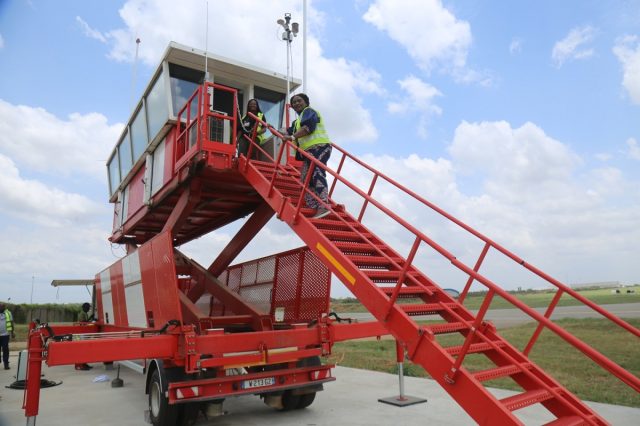
The Nigerian Airspace Management Agency (NAMA) has successfully deployed a Mobile Control Tower at the Murtala Mohammed International Airport (MMIA), Lagos, following the recent fire incident that affected critical air-ground communication infrastructure at the old terminal. The control tower expansion at Lagos signals a new phase in aviation recovery efforts. Following the successful deployment the agency has revealed plans to install a second tower. This additional facility will serve Runway 18R, reinforcing operational resilience at the airport. This move highlights NAMA’s proactive strategy to sustain safe and efficient air navigation services. It also builds on the success of the first deployment. Control tower deployment ensures operational continuity During an on-site inspection, Director of Safety Electronics and Engineering Services, Engr. Terese Ihenacho confirmed the first control tower is fully ready for use. She emphasised its operational status, stating: “As you can see, the Mobile Tower is fully operational and serviceable. All necessary test runs have been successfully completed, and air traffic controllers are ready to commence operations at any moment.” Therefore, flight operations can continue without disruption. In addition, she commended the technical team for delivering the project under tight timelines. Innovation enhances control tower performance Engr. Ihenacho revealed that the deployed control tower has been significantly reconfigured. The system now reflects local operational realities, improving both efficiency and safety. “The way it was manufactured is not the way we are using it. We have restructured it to suit our local peculiarities. There is now seamless connectivity to Centrex and TRACON, which did not exist before. This is part of our innovation to meet global standards,” she explained. Consequently, the integration of a smart strip system alongside manual processes strengthens air traffic management. Second control tower plan targets Runway 18R The proposed second control tower will be positioned to serve Runway 18R. However, its final siting will be determined through collaboration with key stakeholders. These include the Nigerian Civil Aviation Authority, Federal Airports Authority of Nigeria, and Nigerian Meteorological Agency. This coordinated approach ensures optimal safety placement. It also aligns with international best practices set by the International Civil Aviation Organization and International Air Transport Association. Control tower strategy strengthens long-term resilience NAMA clarified that the control tower deployment forms part of a broader contingency strategy. This framework is designed to mitigate disruptions from infrastructure upgrades or environmental challenges. Moreover, the current installation includes solar-powered lighting, reinforced structures, backup power systems, and CCTV surveillance. These additions ensure reliability and security at the temporary site. Workforce commitment drives rapid deployment Engr. Ihenacho praised the dedication of NAMA personnel who worked under demanding conditions. She described them as “heroes” who ensured the rapid restoration of operations. Meanwhile, efforts are ongoing to improve welfare conditions for staff at the facility. Providing essential amenities will support efficiency and morale over time. The control tower expansion at MMIA reflects a decisive and forward-looking approach. It demonstrates Nigeria’s capacity to respond swiftly to aviation emergencies. Therefore, airlines and passengers can expect improved operational stability.

Scroll to Top