Aviation News

IATA names Nigeria among countries with aviation charges above global average

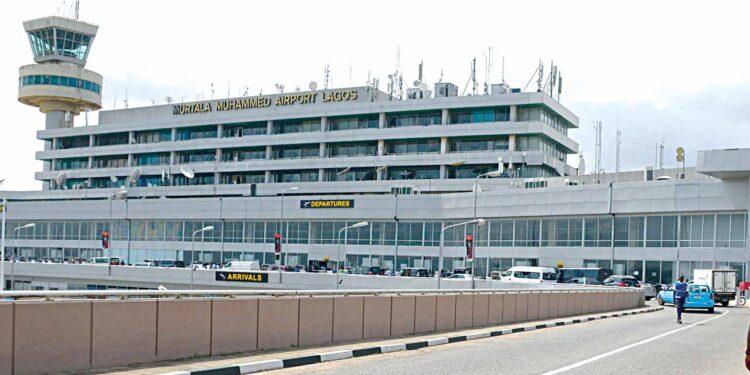
Nigeria has been named among countries with above-global aviation charges, raising concerns over the cost burden on passengers and airlines operating in the country. The disclosure was made by the International Air Transport Association (IATA) at its Focus Africa Conference held in Addis Ababa, Ethiopia. The classification places Nigeria among African markets where aviation taxes and fees remain significantly higher than global averages, contributing to higher airfares and weaker regional connectivity. The development adds renewed attention to longstanding concerns about the cost structure of aviation in West Africa and across the continent. What they are saying  IATA said aviation charges in Africa are about 15% higher than the global average, with several countries driving the continent’s elevated cost structure. It specifically named Nigeria alongside Angola, Democratic Republic of Congo, Ghana, and Kenya as countries where aviation-related charges remain above global norms. “The cost of doing aviation business in Africa is high. The taxes and charges imposed by governments and infrastructure providers are about 15% higher in Africa than the global average.”   “To address this, IATA called for reversing the trend of increasing API-PNR charges.”   “Tanzania’s API-PNR charge of $45 one-way is the highest globally, while charges in Angola, D.R. Congo, Nigeria, Ghana, and Kenya also exceed global norms.”   The association said these elevated costs continue to push up airfares, weakening demand and limiting connectivity across African aviation markets. Get up to speed West Africa has been at the centre of ongoing aviation cost reforms, with regional governments attempting to address long-standing complaints about high taxes and charges. In December 2025, the Economic Community of West African States (ECOWAS) agreed to reduce select aviation charges by 25% and eliminate certain aviation taxes as part of a broader push to lower the cost of air travel and improve regional connectivity. The decision was seen as a key step toward boosting intra-African trade, tourism, and mobility. IATA also pointed to the need for full implementation of the ECOWAS December 2025 decision to eliminate aviation taxes and reduce select charges by 25%. It stressed that consistent application at the national level, without further delay, is critical to ensure the intended benefits of lower aviation costs are fully realised. More insights Beyond ticket taxes and charges, IATA highlighted deeper structural challenges affecting African aviation, particularly the issue of blocked airline revenues. The region accounts for the largest share of global trapped airline funds, estimated at $774 million as of March 2026. Algeria leads with $258 million, followed by the XAF Zone at $105 million, Mozambique at $82 million, Eritrea at $78 million, and Angola at $73 million. IATA warned that restricted access to airline funds reduces investor confidence and affects operational stability, especially in markets heavily dependent on international carriers. The association also flagged visa restrictions as another major barrier, noting that nearly half of intra-African travel still requires visas obtained before departure. It said this continues to suppress tourism, business travel, and regional integration efforts. On sustainability, IATA pointed to Africa’s long-term potential in sustainable aviation fuel (SAF) production and carbon markets. It estimated that Sub-Saharan Africa could supply up to 106 million tonnes of SAF-suitable feedstock by 2050 and generate significant emission credits under global aviation climate frameworks. Countries including Nigeria, Tanzania, Rwanda, Malawi, Gambia, Sierra Leone, and Madagascar have begun early participation steps, though IATA urged wider adoption across the continent. What you should know Nigeria remains among African countries with relatively high aviation-related charges, according to IATA data. In 2024, the country generated about $62 million from airline ticket taxes, contributing to Africa’s total aviation tax revenue of $1.97 billion during the period. Africa’s aviation taxes averaged about $14.9 per passenger, with West Africa recording some of the highest levies on the continent. Nigeria introduced an additional $11.5 security levy under the Advance Passenger Information System (APIS) effective December 1, 2025. The total security-related charge per ticket now stands at $31.50 for international travel to and from Nigeria. Airlines are responsible for collecting and remitting the levy to the Nigerian Civil Aviation Authority (NCAA). The NCAA said the APIS system is designed to strengthen border security, improve passenger tracking, and streamline clearance processes through advance data sharing with immigration authorities. While regional reforms have been agreed, aviation charges in Nigeria and several African markets remain above global averages, continuing to influence airfares and travel demand across the sector.

Aviation News

Dangote refinery’s jet fuel price to stabilise market – NMDPRA

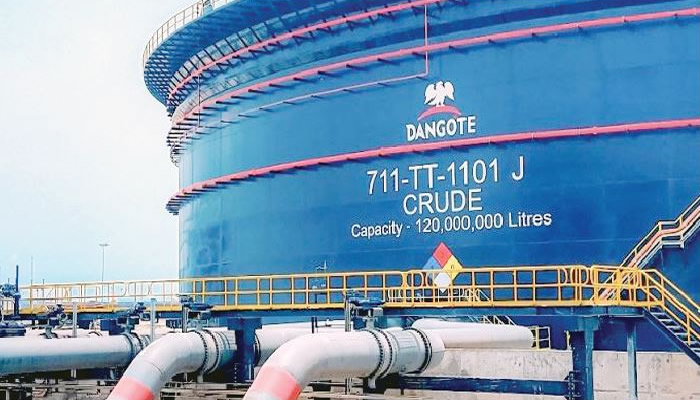
The Nigerian Midstream and Downstream Petroleum Regulatory Authority has said the indicative gantry price for aviation fuel released by Dangote Refinery will ensure market stability and compliance by marketers. The Director, Public Affairs, Mr George Ene-Ita, made this known in an interview with the News Agency of Nigeria in Abuja on Saturday. Ene-Ita was reacting to the pricing and high cost of Aviation Turbine Kerosene, known as aviation fuel or Jet A1 fuel. NAN reports that the Dangote Petroleum Refinery has fixed its gantry price of ATK at N1,820 per litre, a move aimed at enhancing transparency in the sector. This development comes at a time when Nigerians and airline operators have raised concerns over the high cost of the product and its heavy impact on the aviation industry. In a move to ensure market stability, fair pricing, and ease mounting pressure on airline operators and passengers, NMDPRA had earlier set Jet fuel price cap for marketers, ordering direct sales to airlines. The NMDPRA had issued a directive that the cost of Jet A1 fuel for end-users should range between N1,760 and N1,988 per litre in Lagos, and N1,809 to N2,037 per litre in Abuja. In spite of the advisory guidance from the NMDPRA, oil marketers have continued to sell aviation fuel to airlines at N2,230 per litre and above, deepening concerns across Nigeria’s aviation sector. Ene-Ita said that although petroleum product prices had been deregulated, the latest indicative gantry price for ATK disclosed by the refinery would further support its monitoring efforts. “All petroleum product prices have been deregulated. “However, with particular emphasis on ATK, the Dangote refinery, having released its latest indicative gantry prices, which they promised to publish daily going forward, will enable us to ensure tacit compliance by marketers and operators during our routine surveillance operations nationwide. “We are not unmindful of the fact that what the Dangote Refinery is doing is a concession to help ease overhead cost pressures in the Aviation sector in order not to truncate its operations. “So, we will play our part to see that Nigerians benefit from the gesture,” he said. NAN reports that the NMDPRA pricing framework was derived from Platts average figures recorded between April 17 and 23, reflecting prevailing global oil market conditions. According to the regulator, while the benchmarks provide guidance for fair pricing, actual market prices may fluctuate outside the stated range depending on purchase timing and external factors. It specifically cited heightened global volatility driven by geopolitical tensions, including the ongoing U.S.–Iran crisis, as a key contributor to the recent hike in aviation fuel prices. NAN

Aviation News

FG Approves Establishment of Nigerian Aircraft Leasing Company

The federal government has approved the establishment of a Nigerian Aircraft Leasing Company, marking a major milestone in the ongoing transformation of the nation’s aviation sector. The Minister of Aviation and Aerospace Development, Festus Keyamo, said this significant development followed the conclusion of the Federal Executive Council (FEC) meeting held yesterday. The initiative entails the creation of a private-sector-led Special Purpose Vehicle (SPV), backed by the federal government, designed to provide sustainable and structured access to aircraft for domestic and regional airline operators. According to the minister, the establishment of the leasing company will fundamentally reshape aircraft acquisition in Nigeria and across Africa by offering a centralised, sovereign-backed platform through which airlines can access modern fleets. Keyamo in a statement issued yesterday by his SA Media and Communications, Tunde Moshood, said: “This initiative is a game-changer for our aviation industry. It eliminates the long-standing challenges Nigerian airlines face in accessing aircraft on competitive terms and positions the country as a hub for aviation financing in Africa.” He added that the new leasing framework will significantly enhance fleet access for Nigerian carriers, allowing them to acquire aircraft through a single, credible, government-backed entity rather than navigating the complexities of individual financing arrangements. According to him, this access will also be extended to operators across West Africa and the broader African continent. In terms of operational capacity, the initiative, he noted, is expected to strengthen the ability of local airlines to efficiently service domestic routes, reducing the frequency of flight cancellations and delays. It will also empower Nigerian carriers to better compete with international airlines that currently dominate the market. “Notably, the structure of the SPV ensures a zero-cost revenue model for the Federal Government. Through the Ministry of Finance Incorporated (MOFI), the government will hold equity and earn revenue without direct financial investment. Its primary obligation will be to provide sovereign guarantees to lessors and financiers, particularly in ensuring the repossession of aircraft when necessary. “The initiative has already generated strong investor confidence, with leading African financial institutions and international investors expressing keen interest in participating. Nigeria’s high passenger traffic volume and its strategic geographic position continue to make it an attractive destination for aviation investment.” Keyamo emphasised further that this approval aligns with the broader vision of the administration to deepen private sector participation, improve infrastructure, and position Nigeria as a leading aviation hub on the continent. “This is not just a policy decision; it is a strategic intervention aimed at unlocking growth, creating jobs, and ensuring long-term sustainability in our aviation ecosystem,” he added. “The establishment of the Nigerian Aircraft Leasing Company represents a bold step toward strengthening the aviation value chain, fostering regional connectivity, and enhancing Nigeria’s competitiveness in the global aviation market,” he concluded.

Aviation News

Aviation Fuel Hike Threatens 2026 Hajj Operations

Stakeholders in Nigeria’s aviation sector have called on the Federal and State Governments to urgently intervene in the rising cost of aviation fuel, warning that the development could disrupt the successful airlift of pilgrims for the 2026 Hajj. The group, operating under the aegis of Concerned Aviation Stakeholders, said the sharp increase in the price of Jet A1 fuel poses one of the most serious logistical and financial challenges to Hajj operations in recent times. In a statement issued on Sunday, the President of the group, Alhaji Bukalti Gamawa, noted that the escalating cost of aviation fuel was already threatening the ability of airlines to transport thousands of Nigerian pilgrims to Saudi Arabia. He explained that most airlines engaged for the Hajj exercise rely on leased aircraft to meet capacity demands, saying that the surge in fuel prices has significantly eroded their profit margins. According to him, “Many airlines may be forced to operate at break-even or even at a loss after covering lease and operational costs. If urgent action is not taken, some may be unable to commence or sustain operations.” Gamawa stressed that although government subsidies for Hajj operations have been withdrawn, there was need for emergency measures such as pricing regulation, foreign exchange support, or strategic fuel supply arrangements to avert a crisis. He warned that without swift and coordinated intervention from government, regulators, airlines, and fuel marketers, the 2026 Hajj could witness unprecedented fare increases or even operational failure. Providing further insight, he noted that Jet A1 fuel, which sold for about ₦1,000 per litre during contract negotiations, now sells for as high as ₦3,000 per litre across major airports, representing a 200 percent increase. This, he said, has placed airlines under intense financial pressure. “For a single flight consuming about 70,000 litres of fuel, costs have risen from ₦70 million to as much as ₦196 million, creating an additional burden of over ₦100 million per flight,” he explained. Gamawa also highlighted the challenge of rising fuel costs in Saudi Arabia, where prices have increased from about 68 cents to $1.40 per litre, further compounding the financial strain on return flights. He added that while local interventions may ease the burden on outbound flights, airlines must still procure fuel at international market rates in foreign currency for return journeys.

Aviation News

Ibom Air warns of imminent flight reductions over skyrocketing aviation price

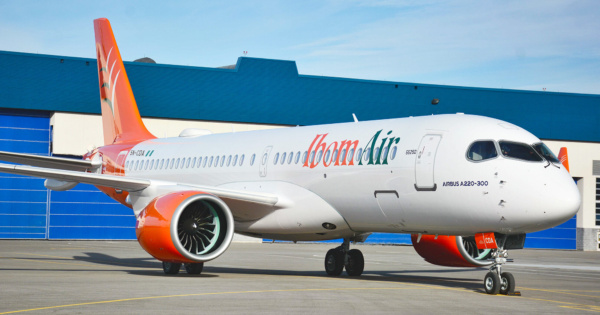
Ibom Air has warned that it may be forced to reduce its flight frequency in the coming days as the cost of aviation fuel reaches a breaking point. In a stark update released today, April 27, 2026, the airline described the current pricing situation as an “unprecedented crisis” that has become financially unsustainable for domestic carriers. According to a statement signed by Aniekan Essienette, group manager of Marketing and Communication, the cost of fuelling a single flight has more than tripled in just seven weeks. In January, the airline spent an average of N2.1 million per flight; as of April 26, that figure has surged to approximately N7.6 million—a staggering 350% increase since the beginning of March. The “Dangote Paradox” Despite the emergence of the Dangote Refinery, which now supplies over 95% of the country’s Jet A1 fuel, Ibom Air expressed bewilderment that local prices remain significantly higher than global averages. “Domestic airlines are baffled at why the price of aviation fuel in Nigeria has ballooned to this level, way above the rest of the world,” the statement read. The airline noted that while international carriers often reduce capacity to manage much smaller price hikes, Nigerian airlines have, until now, absorbed these massive losses out of patriotism and a desire to keep fares affordable. The airline, which operates a modern fleet of Bombardier CRJ 900s and Airbus A220s, emphasised that it can no longer maintain normal operations under these conditions. “It is clear to us that the current conditions are unsustainable,” Essienette stated. “We will have to take whatever ameliorating actions we can in the days ahead, including reducing our capacity if necessary.” The warning comes at a critical time for the industry. Beyond fuel prices, the sector is also facing a total shutdown by the Aviation Ground Handlers Association of Nigeria (AGHAN) over a separate N9 billion debt dispute with airlines. Ibom Air concluded with an urgent call to fuel marketers to reconsider their pricing models, warning that if the trend continues, airlines will soon be operating “just to pay for fuel and nothing else”.

Scroll to Top