Aviation News

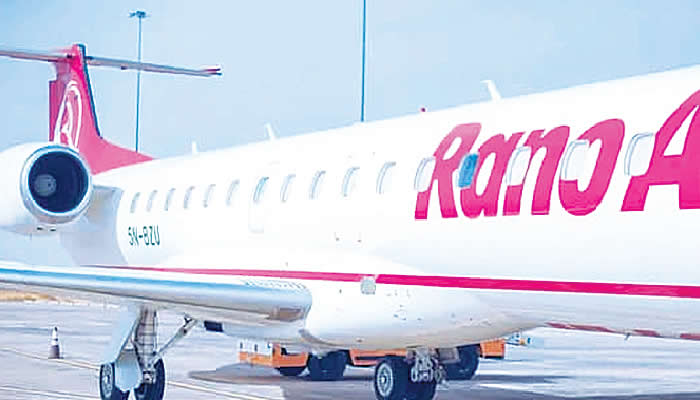
Nigeria’s Rano Air halts routes citing 300% fuel spike

Rano Air (R4, Kano) has announced the suspension of several routes rendered “commercially unsustainable” following a 300% price spike of Jet A1 aviation fuel in Nigeria. In a statement, the airline said the hike had made keeping up certain routes “extremely challenging” and that scaling back operations was necessary to ensure the airline could continue to provide “safe, reliable and sustainable operations.” Rano Air did not name the routes to be paused, but confirmed that the suspensions are temporary. “Operations on the affected routes will resume as soon as the situation improves and becomes operationally viable for the airline,” it stated. According to ch-aviation data, Rano Air operates a fleet of five E145s, of which three are currently active. Rano Air previously operated 10 domestic routes, but according to ADS-B data, it is now focusing on the higher-yield triangular trunk routes between its base at Kano and Abuja and Lagos, while services on thinner destinations have been scaled down, including to Kaduna, Gombe, Maiduguri, Bauchi, Sokoto, Katsina, and Warri.

Aviation News

Airlines project stability after Dangote fuel price cut

Domestic airline operators in Nigeria have welcomed the reduction in aviation fuel price by the Dangote Petroleum Refinery, describing the move as a major relief for carriers battling rising operational costs and mounting financial pressure. The operators said the reduction in the price of aviation fuel, also known as JetA1, would not only ease the burden on airlines but could also eventually translate into improved ease of doing business for the entire ecosystem if the trend is sustained. Speaking with our correspondent about the development, United Nigeria Airlines spokesperson, Uloka Chibuike, said domestic airlines had long been operating at unsustainable margins despite public perception that ticket prices had increased significantly. Chibuike said, “There was never an increase in airfares. If airlines still have ticket classes of N95,000, it simply means there was never any increase. Instead, airlines have been operating at a loss.” The optimism among operators comes amid weeks of growing concern over the sharp rise in aviation fuel prices in Nigeria, which airlines said had increased disproportionately compared to global crude oil prices. Under the umbrella of the Airlines Operators of Nigeria, domestic carriers had repeatedly warned that the rising cost of Jet A1 was becoming unsustainable, noting that while global crude prices recorded moderate increases of about 30 per cent, aviation fuel prices in Nigeria surged far beyond that margin. The operators said they had continued to absorb the rising costs over the past four weeks in order to sustain flight operations nationwide, despite worsening financial strain and persistent foreign exchange challenges. Recently, Ibom Air raised fresh concerns over the deepening crisis, revealing that it now spends about N7.6 million to fuel a single flight. The disclosure underscored the scale of pressure confronting domestic carriers, with industry stakeholders warning that continued increases in aviation fuel prices could lead to severe disruptions in flight operations if urgent interventions are not sustained. However, the UNA publicist added that the reduction in fuel prices would provide much-needed breathing space for operators who have struggled to maintain services amid skyrocketing costs. “The reduction, perhaps, will give operators some breath,” he added. Also sharing his view, the Managing Director of Aero Contractors, Capt Ado Sanusi, described the development as a welcome relief across the aviation value chain, noting that passengers would ultimately benefit from lower fuel costs. “Any price reduction is a relief to operators and everybody within the ecosystem. Because as the prices of fuel reduce, the flying public will also experience the same relief,” Sanusi said. He commended the refinery for what he described as transparent pricing, saying the publication of fuel prices on its website would help curb arbitrary market practices. Sanusi added that transparency in pricing would discourage fuel marketers from exploiting airlines through arbitrary charges. He stated, “One of the things we have been advocating is transparent pricing, and we thank Dangote Refinery for being very transparent. It publishes prices on its website for everybody to see and compare with what is obtained in other parts of the world. “I don’t think marketers will be able to take undue advantage anymore. If it was done in the past, it can also be checked now because the prices are publicly available and everybody already knows what the rates are.” Source – Punch

Aviation News

NCAA tightens health surveillance at airports over Ebola outbreak

The Nigeria Civil Aviation Authority (NCAA) has placed airlines and airport authorities on high alert following the fresh outbreak of Ebola Virus Disease in parts of East and Central Africa. The aviation regulatory agency has therefore directed operators – aviation agencies and airlines to immediately strengthen health surveillance procedures at all international airports across the country. The directive followed the formal declaration by the World Health Organisation (WHO) of the Ebola outbreak in the Democratic Republic of Congo (DRC) and Uganda as a Public Health Emergency of International Concern (PHEIC). In a regulatory circular issued to domestic and international carriers operating into Nigeria, the NCAA said the move became necessary following the growing concerns over the possible cross-border spread of the disease through international air travel. The outbreak is linked to the rare Bundibugyo ebola virus species, described by health authorities as a highly severe strain for which there are currently no widely licensed vaccines or specific therapeutics. The WHO and regional health agencies had raised concerns after more than 300 suspected cases and dozens of deaths were reported within the East and Central African region. Although no confirmed Ebola case linked to the outbreak has been reported in Nigeria, the NCAA said it was already collaborating with the Federal Ministry of Health, the Nigeria Centre for Disease Control (NCDC), Port Health Services, and other international health organisations to intensify monitoring and preventive measures. According to the NCAA, health officials in the DRC recently identified a cluster of severe illnesses among healthcare workers in the Bunia Health Zone in the northeastern part of the country. The circular read in part: “There is currently no licensed vaccine specifically approved for the Bundibugyo strain, while treatment remains largely supportive and symptom-based. “Symptoms associated with Ebola Virus Disease include sudden fever, severe fatigue, persistent headache, vomiting, abdominal pain and bleeding manifestations such as nosebleeds or vomiting blood.” The agency insisted that aviation sector was critical in preventing the international spread of communicable diseases, stressing that early detection and immediate reporting were essential in containing the outbreak. As part of the emergency measures, the NCAA directed all airlines to strengthen onboard disease surveillance and ensure full compliance with international public health protocols. Pilots were further instructed to immediately notify Air Traffic Control (ATC) of any suspected communicable disease case onboard aircraft in line with the Nigeria Civil Aviation Regulations (NCARs). Flight crew members were also directed to complete Aircraft General Declaration forms for suspected cases, while airlines must ensure that passenger locator forms are properly filled and submitted to Port Health Services upon arrival. The NCAA further ordered airlines to ensure that aircraft are adequately equipped with first-aid kits, universal precaution kits, and emergency medical kits.

Aviation News

Dangote refinery cuts aviation fuel price to N1,650

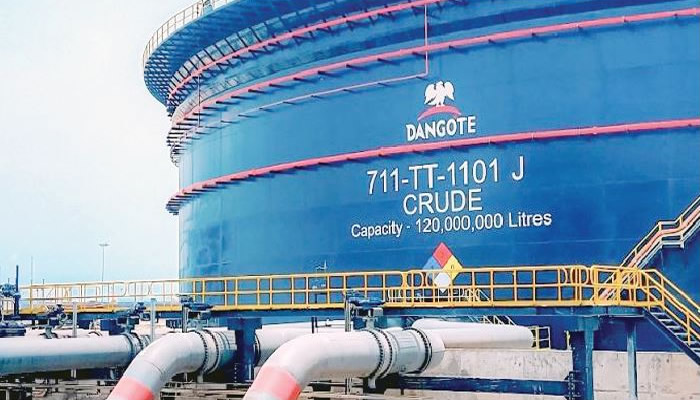
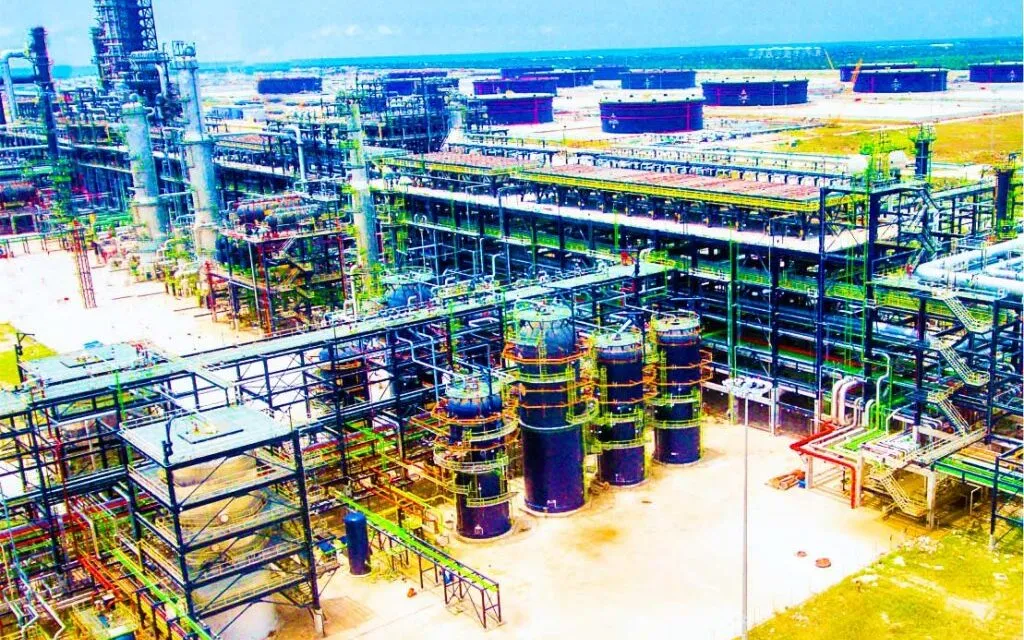
Dangote Petroleum Refinery and Petrochemicals has reduced the price of aviation fuel, also known as Jet A1, to N1,650 per litre from N1,750 per litre in a move expected to ease pressure on domestic airlines struggling with rising operating costs. The refinery disclosed the reduction in a statement issued on Tuesday, saying the intervention was aimed at supporting airline operations and ensuring stable fuel supply across the country. The company also announced a 30-day interest-free credit facility for marketers and airline operators backed by bank guarantees, alongside its transition from dollar-based pricing to a naira-denominated structure. “These interventions come amid growing concerns over the rising operational costs faced by domestic carriers, with aviation fuel accounting for a significant portion of airline expenses,” the refinery said. Airline operators have repeatedly warned that rising Jet A1 prices were pushing airlines deeper into financial strain and threatening the sustainability of flight operations. At the peak of the crisis from April and May, some airlines reduced flight frequencies while operators raised concerns after Jet A1 prices climbed above N2,500 per litre in parts of the country. The situation also triggered warnings from the Airline Operators of Nigeria (AON) in April, which threatened to suspend operations over the escalating cost of aviation fuel and other operational challenges confronting carriers. Passengers across the country were affected by the disruptions, with many travellers increasingly questioning recurring schedule changes, delays and sudden cancellations by airlines already struggling with high fuel and maintenance costs. The refinery said the latest reduction is expected to lower fuel procurement costs for airlines, improve operational stability and support efforts to moderate airfares. The intervention comes as the Federal Government continues efforts to stabilise the aviation fuel market through the naira-for-crude initiative and other policy measures aimed at reducing pressure on operators. A government technical committee earlier recommended the inclusion of aviation fuel under the naira-for-crude arrangement as part of measures to address persistent supply and pricing challenges within the sector. The committee also projected indicative Jet A1 prices ranging between N1,760 and N1,988 per litre in Lagos, and between N1,809 and N2,037 per litre in Abuja. Aviation fuel remains one of the largest cost components for airlines in Nigeria, alongside aircraft maintenance, insurance, foreign exchange and leasing expenses.

Aviation News

Air Peace blames airspace access issue for Lagos-London disruption

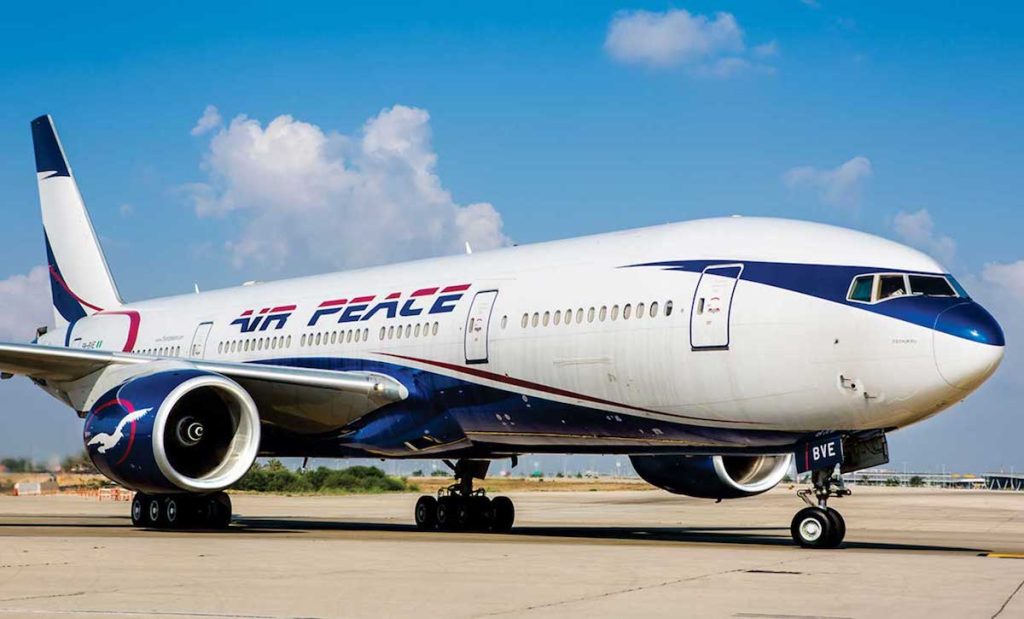
West Africa’s largest airline, Air Peace, has disclosed that its scheduled Lagos–London Gatwick service of May 13 experienced an operational disruption. The airline said the development followed enroute access issues involving the airspace authorities of an African country. A statement by its management, however, said the aircraft safely returned to Lagos in accordance with established international aviation procedures. The statement reads: “Air Peace wishes to inform the flying public that its scheduled Lagos–London Gatwick service of May 13, 2026, experienced an operational disruption following enroute access issues involving the airspace authorities of an African country. “As a result of the development and the need for immediate operational clarification with the relevant authorities, the aircraft safely returned to Lagos in accordance with established international aviation procedures. “Consequently, the London Gatwick service was rescheduled while the matter was being resolved. Affected passengers were promptly informed of the situation, while care arrangements, including communication updates, support services, and necessary assistance, were provided for their convenience. “Air Peace sincerely apologises to all affected passengers for the inconvenience caused by the unforeseen disruption which was beyond our control. The airline remains committed to maintaining operational integrity, regulatory compliance, and the highest standards of passenger service across its network.”

Scroll to Top